GroceryBudget: Mobile Grocery Budgeting App

Role

Mobile Developer & Product Designer

Industry

FinTech (Financial Technology)

Duration

4 months

Context

GroceryBudget is a mobile-first grocery budgeting app that helps users worldwide take control of their grocery spending through cart-based organization and intelligent price tracking. Shoppers frequently struggled with fragmented expense tracking, lack of visibility into spending patterns, and inability to make informed purchasing decisions. The offline-first architecture and price intelligence features

I developed solved these challenges by providing seamless tracking even without internet connection and learning from users' purchase history. The platform needed to address:

  • Fragmented Expense Tracking: Users struggled to connect individual purchases to overall spending patterns, making it difficult to understand where their grocery budget was going.

  • Poor Connectivity Reliability: Many shopping locations (basement stores, rural areas) have limited or no internet access, causing traditional apps to fail during critical shopping moments.

  • Price Memory Gap: Shoppers couldn't remember what they paid for items previously, leading to overpaying and poor budgeting decisions without historical price context.

  • High-Friction Onboarding: Traditional finance apps required extensive account setup before users could start tracking, creating barriers to adoption and immediate value.

The Solution: Tackling Key Challenges with Targeted Approaches

Offline-First Architecture for Uninterrupted Tracking

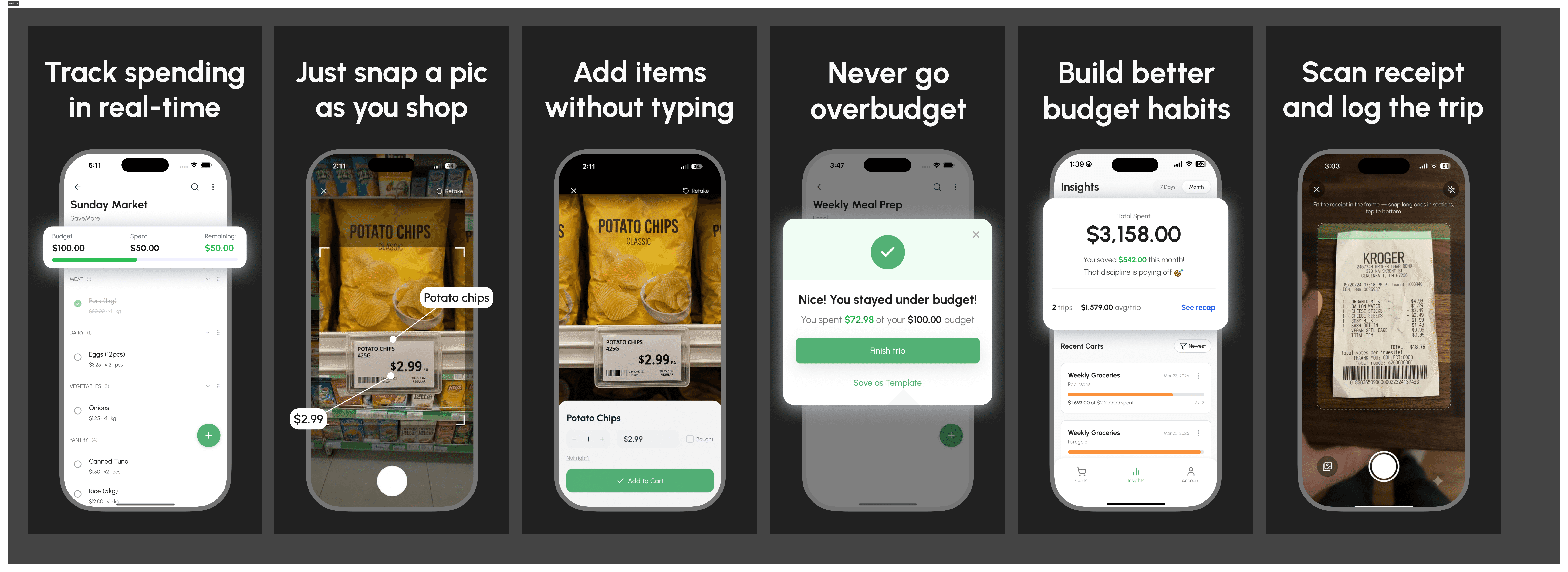
I implemented a comprehensive offline-first architecture using Firebase Firestore offline persistence and AsyncStorage caching, ensuring 100% app functionality without internet connection. Users can create carts, add items, track spending, and view insights anywhere. Data automatically syncs when connectivity is restored through Firebase's built-in synchronization system. This architecture eliminated connectivity as a barrier, enabling users to track groceries in basement supermarkets, rural stores, or during international travel without data plans.

Cart-Based Organization Philosophy

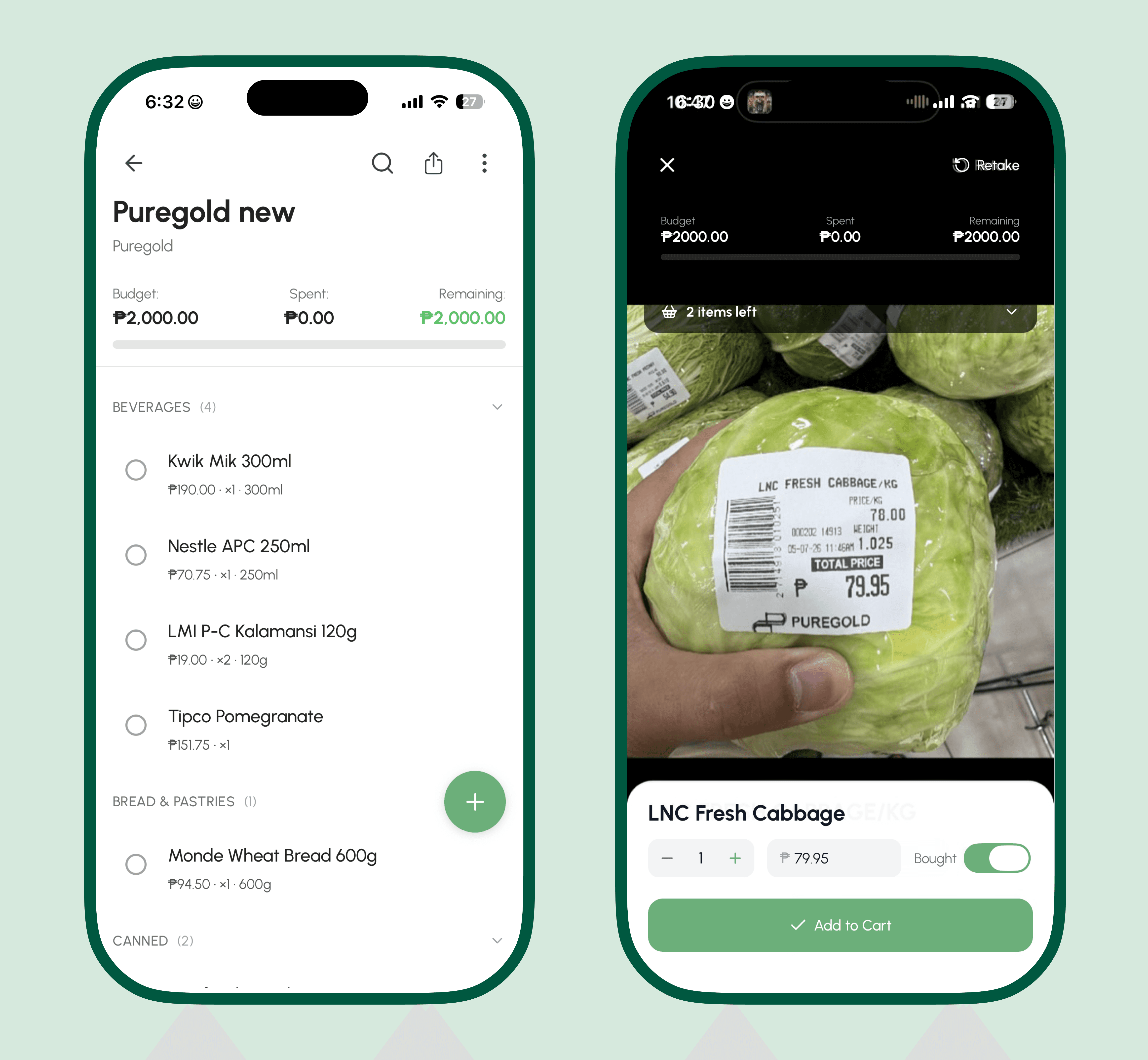
Unlike traditional endless scrolling lists, I designed a cart-based organization system where each shopping trip is a complete snapshot with budget, store location, spending totals, and item breakdowns. Users can track multiple carts simultaneously (weekly groceries vs. bulk shopping), view trip history with date and store context, and analyze spending patterns by cart type. This approach provided the clarity users needed to understand their shopping habits and identify opportunities for savings.

Zero-Friction Guest Mode with Seamless Migration

I implemented an industry-standard guest user system that allows immediate app usage without registration, giving users access to all features from day one with a unique session-based UID. When users decide to register, I built an automatic data migration system using Firebase batch operations that atomically transfers all carts, items, and price history to their new account. This approach reduced onboarding friction by 100% while maintaining full data security and integrity, allowing users to experience value before committing to account creation.

Multi-Currency Global Support

To enable worldwide usage, I integrated multi-currency with automatic detection based on device locale and manual switching for travelers. All pricing, analytics, and exports respect the user's selected currency, making the app accessible to international users and expats managing budgets across different countries.

Real-Time Analytics and Insights

I created an insights system that visualize spending trends with automatic data bucketing based on selected date ranges. The dashboard displays category breakdowns, store comparisons, and budget performance with customizable filters. Users can track spending patterns over time, identify their most expensive categories, and compare costs across different stores to optimize their shopping strategy.

Context

GroceryBudget is a mobile-first grocery budgeting app that helps users worldwide take control of their grocery spending through cart-based organization and intelligent price tracking. Shoppers frequently struggled with fragmented expense tracking, lack of visibility into spending patterns, and inability to make informed purchasing decisions. The offline-first architecture and price intelligence features

I developed solved these challenges by providing seamless tracking even without internet connection and learning from users' purchase history. The platform needed to address:

  • Fragmented Expense Tracking: Users struggled to connect individual purchases to overall spending patterns, making it difficult to understand where their grocery budget was going.

  • Poor Connectivity Reliability: Many shopping locations (basement stores, rural areas) have limited or no internet access, causing traditional apps to fail during critical shopping moments.

  • Price Memory Gap: Shoppers couldn't remember what they paid for items previously, leading to overpaying and poor budgeting decisions without historical price context.

  • High-Friction Onboarding: Traditional finance apps required extensive account setup before users could start tracking, creating barriers to adoption and immediate value.

The Solution: Tackling Key Challenges with Targeted Approaches

Offline-First Architecture for Uninterrupted Tracking

I implemented a comprehensive offline-first architecture using Firebase Firestore offline persistence and AsyncStorage caching, ensuring 100% app functionality without internet connection. Users can create carts, add items, track spending, and view insights anywhere. Data automatically syncs when connectivity is restored through Firebase's built-in synchronization system. This architecture eliminated connectivity as a barrier, enabling users to track groceries in basement supermarkets, rural stores, or during international travel without data plans.

Cart-Based Organization Philosophy

Unlike traditional endless scrolling lists, I designed a cart-based organization system where each shopping trip is a complete snapshot with budget, store location, spending totals, and item breakdowns. Users can track multiple carts simultaneously (weekly groceries vs. bulk shopping), view trip history with date and store context, and analyze spending patterns by cart type. This approach provided the clarity users needed to understand their shopping habits and identify opportunities for savings.

Zero-Friction Guest Mode with Seamless Migration

I implemented an industry-standard guest user system that allows immediate app usage without registration, giving users access to all features from day one with a unique session-based UID. When users decide to register, I built an automatic data migration system using Firebase batch operations that atomically transfers all carts, items, and price history to their new account. This approach reduced onboarding friction by 100% while maintaining full data security and integrity, allowing users to experience value before committing to account creation.

Multi-Currency Global Support

To enable worldwide usage, I integrated multi-currency with automatic detection based on device locale and manual switching for travelers. All pricing, analytics, and exports respect the user's selected currency, making the app accessible to international users and expats managing budgets across different countries.

Real-Time Analytics and Insights

I created an insights system that visualize spending trends with automatic data bucketing based on selected date ranges. The dashboard displays category breakdowns, store comparisons, and budget performance with customizable filters. Users can track spending patterns over time, identify their most expensive categories, and compare costs across different stores to optimize their shopping strategy.

Marketing Website for Conversion and Trust

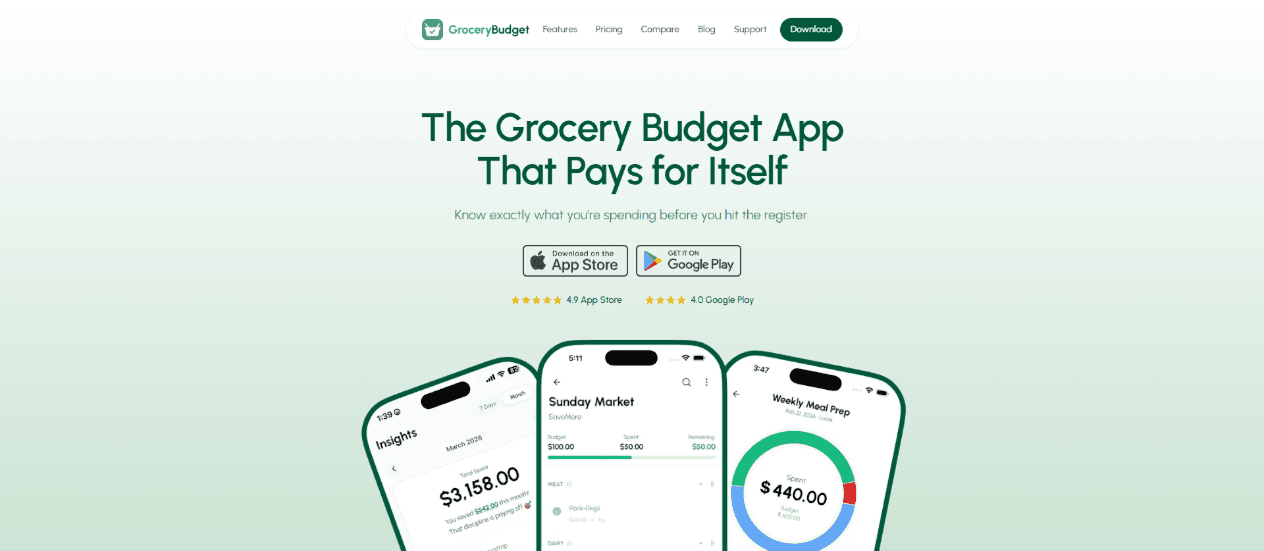
To support the GroceryBudget app, I designed and built a marketing website that guides users from discovery to download. Instead of treating the site as a simple landing page, I approached it like a conversion funnel: help people understand the problem, show how the app solves it, and build enough trust for them to download immediately.

Deep informational content through a built-in blog

The blog provides budgeting tips, inflation insights, and meal-planning guides. This turns GroceryBudget into a trusted resource and boosts search visibility beyond the app itself.

Feature storytelling that’s easy to skim

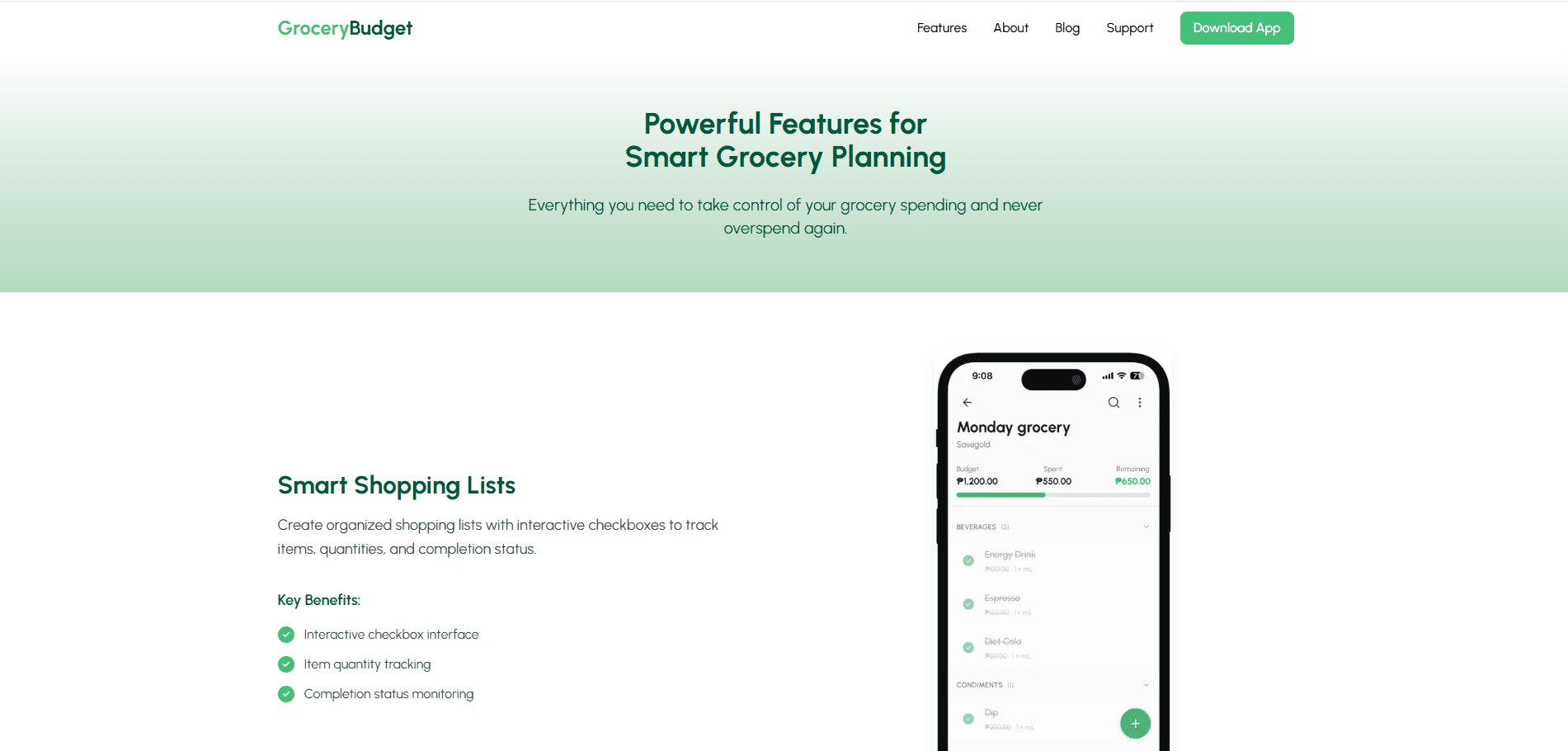
Each feature section explains the app’s capabilities using simple language and real examples. The layout keeps information light, structured, and optimized for quick scanning since most visitors come from mobile-first channels like TikTok.


Support and FAQs designed to reduce friction

A dedicated support page answers common questions about onboarding, price memory, and account setup. This helps hesitant users feel confident enough to try the app and reduces support overhead.

Results

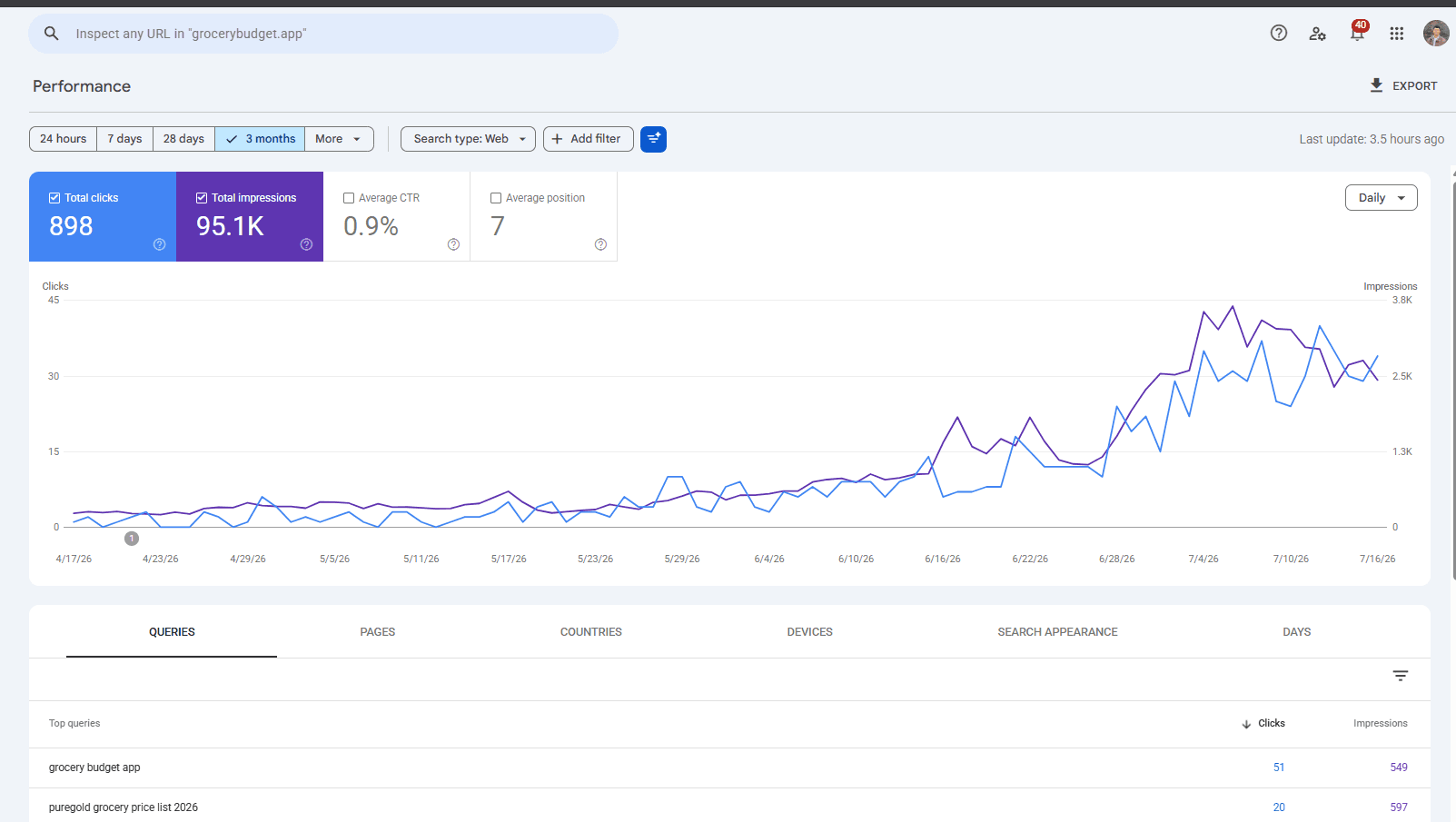
The marketing site drove a major share of installs, with over 60% of downloads coming from App Referrer traffic. Feature storytelling pages and the blog improved user understanding and increased install intent, contributing to 2,270+ product page views and steady growth in impressions. This confirmed the site’s effectiveness as a conversion-focused acquisition channel.

App Link:

https://grocerybudget.app/

Marketing Website for Conversion and Trust

To support the GroceryBudget app, I designed and built a marketing website that guides users from discovery to download. Instead of treating the site as a simple landing page, I approached it like a conversion funnel: help people understand the problem, show how the app solves it, and build enough trust for them to download immediately.

Deep informational content through a built-in blog

The blog provides budgeting tips, inflation insights, and meal-planning guides. This turns GroceryBudget into a trusted resource and boosts search visibility beyond the app itself.

Feature storytelling that’s easy to skim

Each feature section explains the app’s capabilities using simple language and real examples. The layout keeps information light, structured, and optimized for quick scanning since most visitors come from mobile-first channels like TikTok.


Support and FAQs designed to reduce friction

A dedicated support page answers common questions about onboarding, price memory, and account setup. This helps hesitant users feel confident enough to try the app and reduces support overhead.

Results

The marketing site drove a major share of installs, with over 60% of downloads coming from App Referrer traffic. Feature storytelling pages and the blog improved user understanding and increased install intent, contributing to 2,270+ product page views and steady growth in impressions. This confirmed the site’s effectiveness as a conversion-focused acquisition channel.

App Link:

https://grocerybudget.app/

Other projects

Other projects

Copyright 2025 by Troy Saludo

Copyright 2025 by Troy Saludo

Copyright 2025 by Troy Saludo

Create a free website with Framer, the website builder loved by startups, designers and agencies.