Allie: Clinic Management SaaS
Role
UI/UX and Product Designer
Industry
Healthcare/Clinic Management
Duration
6 months
Context
Allie is a clinic management platform that helps healthcare clinics streamline operations and improve performance. Clinics often faced issues like overwhelming data, disconnected tools, and manual coordination that hindered insight-driven decision-making. The team set out to address these challenges by integrating scheduling, performance tracking, and team coordination into a unified interface.
Key problems we needed to address included:
Unclear performance data: Clinics struggled to extract actionable insights from scattered or overwhelming reports.
Limited team collaboration: Managers lacked clear visibility into task assignment, mentoring, and accountability.
Fragmented onboarding: Clinics found it difficult to set up user accounts and integrate tools smoothly within their existing workflows.
My Role
I led UX architecture and interface design for the Allie platform, focusing on simplifying complex clinic workflows and improving collaboration between managers and practitioners.
The Solution: Tackling Key Challenges with Targeted Approaches
Unlocking the Power of Centralized Data
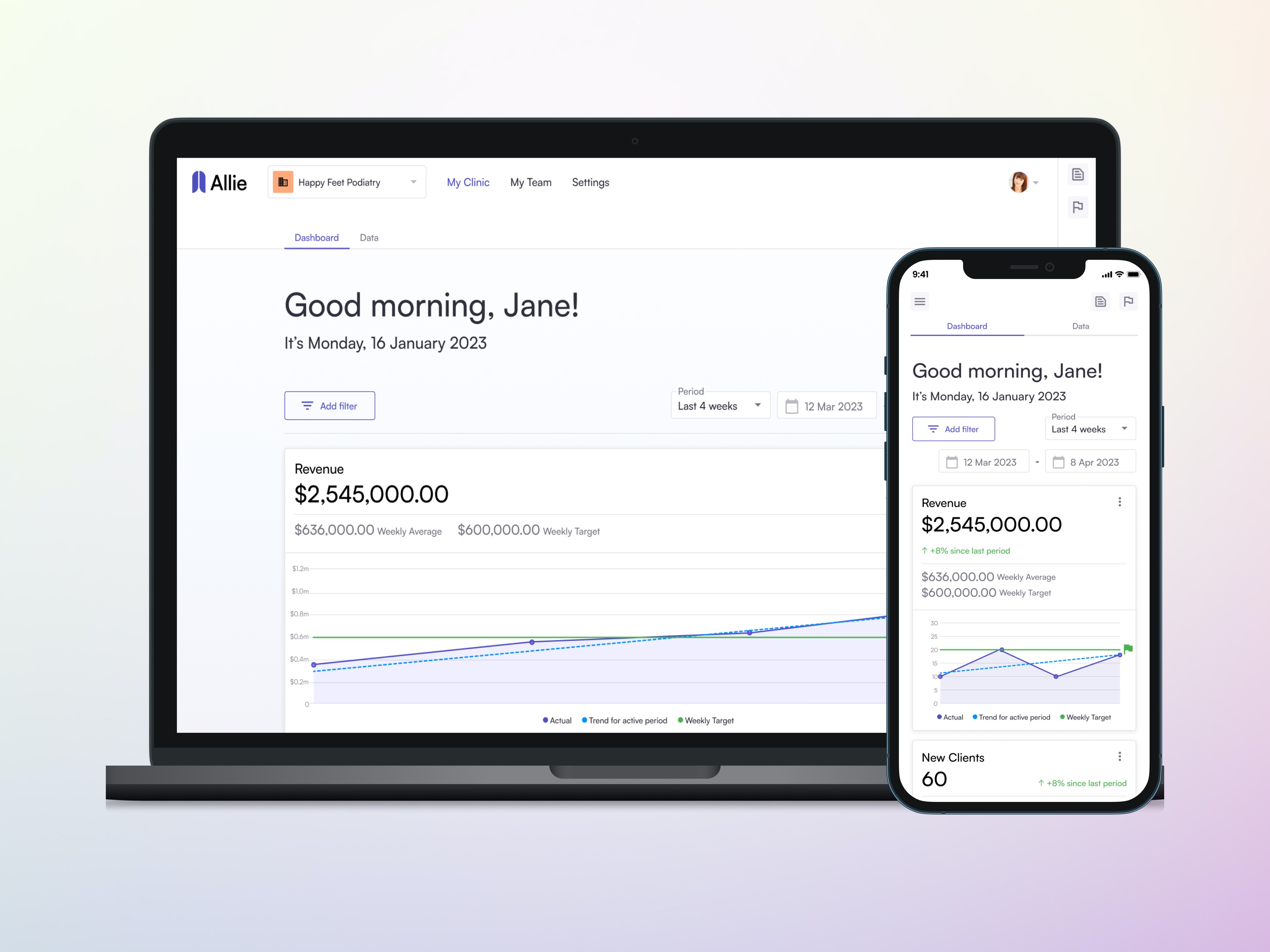
I created a centralized dashboard displaying key clinic metrics with customizable filters for tailored views, such as filtering by practitioner, appointment type, or date range, to ensure managers can access precise insights tailored to their needs. The dashboard provides a centralized hub for tracking clinic performance. Key metrics like appointments, revenue, and cancellations are displayed with visual indicators, enabling managers to make data-driven decisions efficiently.

Collaboration and Performance Management
Allie bridges the gap between clinic managers and practitioners with tools for team collaboration, performance tracking, and time management: individual dashboards with practitioner-specific metrics, actionable notes and tasks for mentoring, and a timesheet interface for logging hours and leave. Together these improved accountability and made task and schedule management easier to run.

Extending Accessibility
While Allie was designed desktop-first, mobile accessibility was a key consideration to ensure all users could seamlessly interact with the platform. The mobile designs focused on maintaining functionality without compromising usability on smaller screens.

Results
Allie gave clinics a clearer, more connected way to run day-to-day operations:
Clearer Decision-Making: Managers could pull the metrics that drove daily decisions (appointments, revenue, cancellations) from one dashboard instead of stitching together separate reports, cutting the time to build a weekly performance snapshot from around 15 minutes to under 2.
Improved Collaboration: New task, mentoring, and action tools helped clarify responsibilities and reduce communication friction.
Smoother Onboarding: The redesigned onboarding flow made account setup and tool integration easier, reducing new-clinic setup time by roughly 40%.
Higher Team Engagement: Practitioners interacted more consistently with the dashboards and action items, improving visibility and accountability.


Outcomes
The redesigned Allie gave clinics a clearer, more connected operational system. Consolidated dashboards cut the reporting legwork for managers, and the new task and mentoring tools made accountability easier to track across a team. It moved Allie from a set of disconnected tools toward a single system clinics could run their day on.

GroceryBudget: Mobile Grocery Budgeting App
A grocery budgeting app I designed, built, and shipped solo to 20,000+ users on the App Store and Google Play.

Velaro: Omnichannel Platform
Redesigned core flows and built React components for an enterprise customer-engagement platform used by support teams.
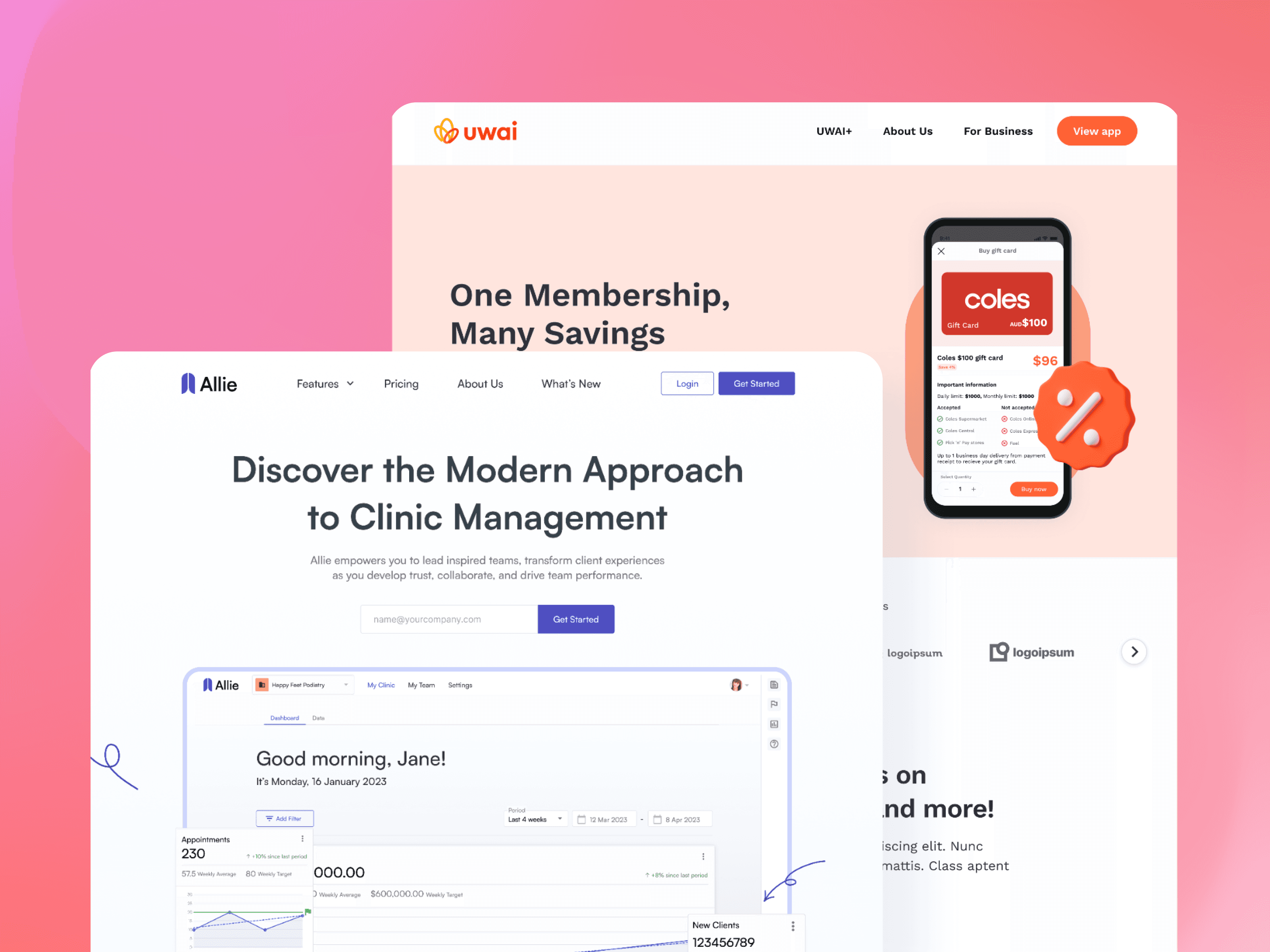
Designing Allie and UWAI Marketing Sites
Conversion-focused marketing sites for two SaaS products, from layout and messaging through to build.
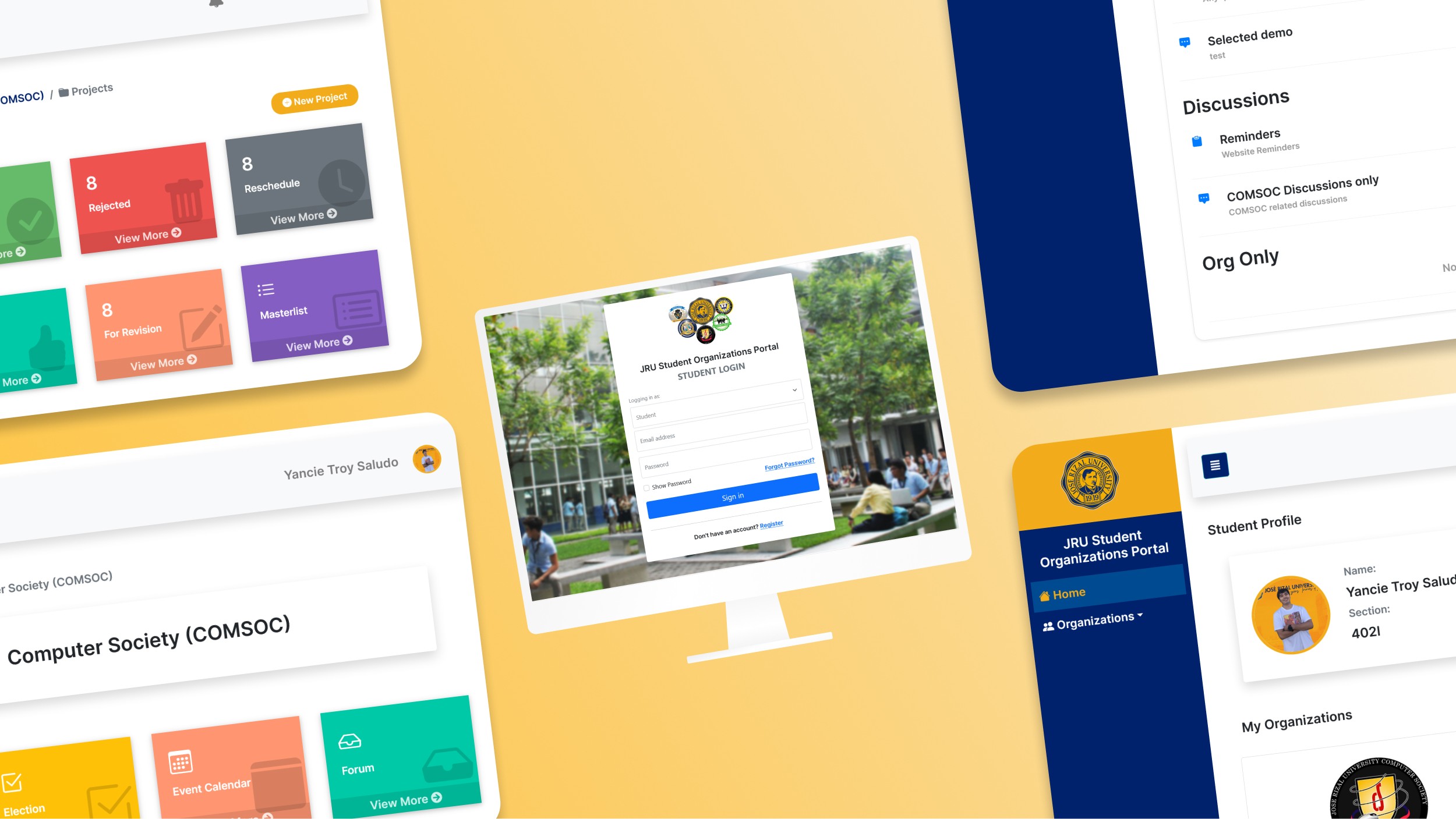
Digital Contributions
An archive of earlier design work and one-off product contributions.